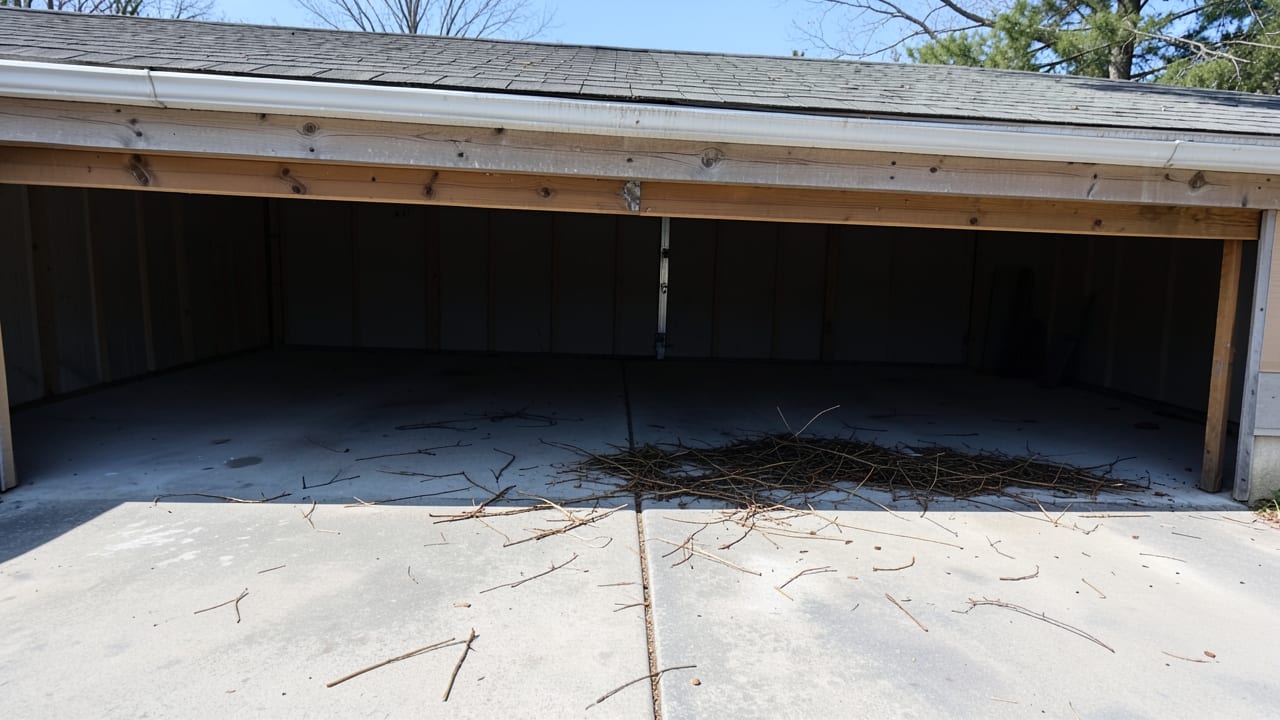
Garage Gutter Debris Clearance
Removal of leaves, twigs, and sediment from garage gutters to restore proper drainage.
Garage gutter debris clearance in Lake Oswego, OR, removes leaves, dirt, and blockages from gutters attached to garages to prevent water overflow and structural damage. This targeted service ensures proper water flow through downspouts, protecting your property from water-related issues like foundation erosion or siding damage. Local crews assess the roofline and gutters on-site to tailor the work to your specific needs, addressing hidden clogs and hardware issues that often go unnoticed until it's too late.
When your garage gutters need attention
Garage gutters often signal problems before they become severe. Look for water visibly spilling over the front edge during storms—a clear sign of a clog, regardless of how light or heavy the blockage may be. Weeds or small seedlings growing directly from the gutter trough indicate long-term buildup, as decomposed debris provides the nutrients needed for plant growth.
We also handle Gutter Cleaning and Gutter Guard Installation for Lake Oswego properties.
Other warning signs include sagging gutter sections or those pulling away from the fascia board, which usually mean packed debris is overloading the system. Dark streaks running down the siding below a specific gutter section point to overflow at that spot, often where the clog is located. Nests—from birds, wasps, or rodents—inside the trough suggest the gutters haven’t been maintained recently, as routine cleaning disrupts nesting.
Signs Your Garage Gutters Need Clearing
- Water visibly pouring over the gutter edge during storms (even light rain).
- Weeds, grass, or small tree seedlings growing *directly* from the gutter trough.
- Sagging or pulling-away sections of gutter along the fascia board.
- Dark streaks on siding directly below a gutter section (indicates overflow).
- Nests (birds, wasps, rodents) inside the gutter trough.
What affects pricing and frequency?
The frequency of garage gutter debris clearance depends almost entirely on what’s dropping into them and how quickly water is carried away. Overhanging tree branches—especially those directly above the roofline—drop leaves, seed pods, and twigs straight into the trough, requiring more frequent clearing. Properties under heavy pine or leaf canopy may need attention more than twice a year, while those with minimal overhang might only need it once annually.
Pricing varies based on the scope of the job, including the number of stories, roof pitch, and whether downspouts are cleared. A standard single-story home with typical debris load averages **$40 per linear foot**, but two-story homes may see a 25–40% increase due to additional ladder work and safety setup. Always confirm whether the quote includes downspout clearing, debris disposal, and a hardware inspection—these details significantly impact the final cost.
Why a hands-on approach matters
A visual pass from the ground can miss critical issues like loose hangers or separated seams hidden beneath packed debris. Only when the weight of the debris is removed does the true condition of the gutter system become visible. During a debris clearance, crews also check for hardware failure—loose brackets, pulled spikes, or separating end caps—which are far cheaper to address during a routine cleaning than to discover later as a section pulls away from the fascia.
The process includes a downspout flush test to confirm water exits freely at the bottom, not just a clean trough. This step is critical because a blocked downspout can still cause overflow in the next storm, even if the gutter appears clear. Rinse-down and photo documentation provide a record of the work done, ensuring transparency and accountability for future maintenance.
Pushing debris toward the downspout instead of away from it can turn a surface clean into a hidden clog. Resting a ladder directly on the gutter edge—rather than the fascia or roofline—can bend or pull away sections, leading to costly repairs. Always opt for a crew that performs a hands-on hardware check while cleaning, not just debris removal.
How garage gutter debris clearance works
- 1Roofline and Gutter Walkthrough
A visual inspection of the roofline identifies sagging sections, separated seams, and downspouts showing early signs of clogging. This step sets the scope of the job based on what’s actually present, not assumptions from the ground.
- 2Hand Removal of Debris
Leaves, seed pods, and shingle grit are cleared by hand or with a small scoop, working *toward* the downspout outlets. This prevents loosened debris from being pushed deeper into already partially blocked sections.
- 3Downspout Flush Test
Water is run through each downspout from the top to confirm it exits freely at the bottom. This proves the system is fully functional, as a clean trough with a blocked downspout still risks overflow in the next storm.
- 4Hardware and Fastener Check
Loose brackets, pulled spikes, and separating end caps are noted while the crew is at the gutter line. Addressing these issues during cleaning prevents more expensive repairs later.
- 5Rinse-Down and Photo Documentation
The exterior of the gutter and roofline are rinsed to remove dust, and photos are taken to document the cleared trough and hardware condition. These records serve as a reference for future maintenance, not just for appearance.
Frequently asked questions
How do I know if my garage gutters need clearing?
Look for water overflowing the front edge during storms, weeds growing from the gutter trough, sagging sections, or dark streaks on the siding below. Nests (birds, wasps, rodents) inside the trough also indicate long-term neglect. These signs show the gutter isn’t draining properly, regardless of how much debris is present.
Will clearing the gutters fix a sagging section?
Not always. Sagging often means the gutter is overloaded with packed debris or the hardware is failing. Clearing debris may reveal the root cause—whether it’s loose hangers, separated seams, or rusted components—which can then be addressed to restore proper alignment.
How often should garage gutters be cleared in Lake Oswego?
It depends on what’s overhead. Properties under heavy pine or leaf canopy may need clearing **twice a year or more**, while those with minimal overhang might only need it **once annually**. Trimming branches that drop directly into the trough can extend the time between cleanings.
Does the service include checking downspouts and hardware?
Yes, a thorough clearance includes flushing downspouts to confirm water exits freely and inspecting hardware for loose brackets, spikes, or separating end caps. Skipping these steps can leave hidden issues that lead to future problems.
Where Lake Oswego sits, and what the Census lists nearby
Lake Oswego sits in Oregon, and the closest places listed in the U.S. Census Gazetteer are Stafford (2.4 miles southeast), Rivergrove (2.5 miles southwest), Dunthorpe (2.7 miles northeast), Durham (3.1 miles southwest). Within 25 miles of Lake Oswego the same source lists 85 distinct incorporated places and census-designated places. Those figures matter for garage gutter debris clearance because they are straight-line distances between Census coordinate points: road mileage between Lake Oswego and Stafford runs longer than the 2.4 miles shown, which is why quotes for the same job differ between towns that look close together on a map. Source: U.S. Census Bureau Gazetteer.
See Gladstone, OR for more, or explore everything Lake Oswego homeowners can book with us across the area for our complete lineup.
Ready to get started?
Talk to a local gutter cleaning pro in Lake Oswego — get a written quote.
Other Gutter Cleaning Services in Lake Oswego

Gutter Cleaning in Lake Oswego, OR
Whole-system gutter cleaning in Lake Oswego, OR — clears needle buildup from every run and downspout so water is carried away from the roof and foundation, not into them.
Learn More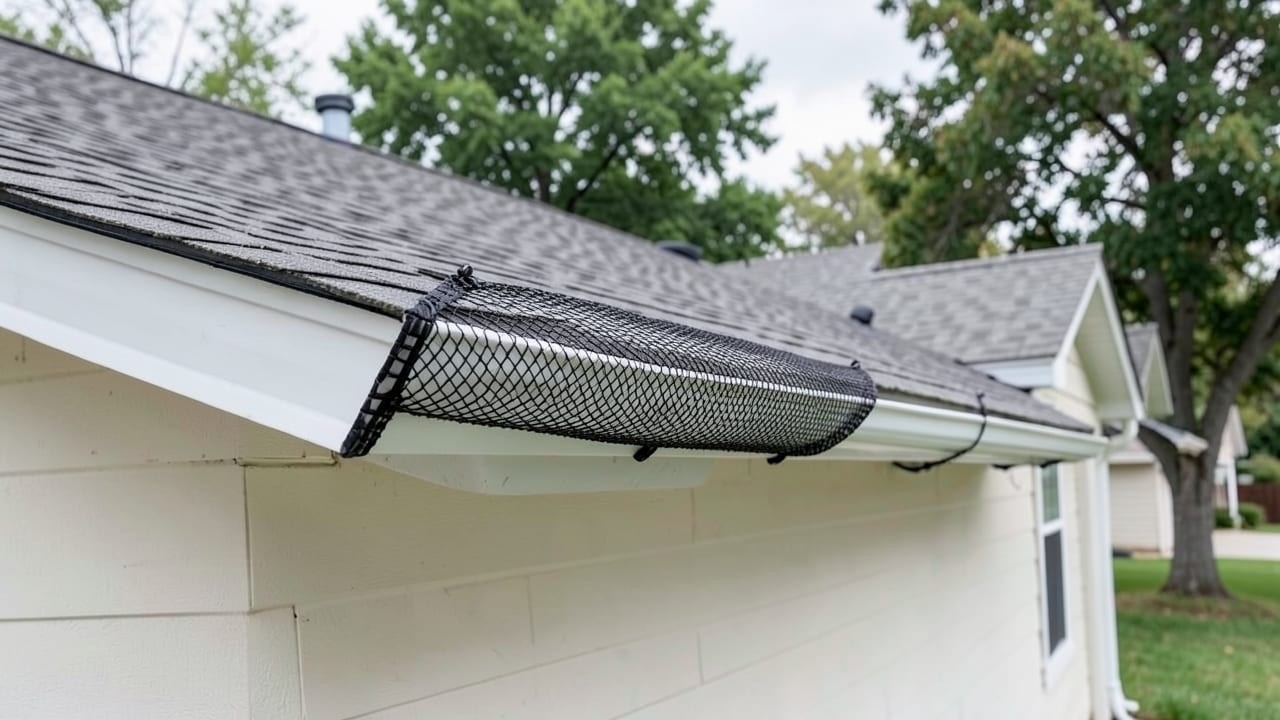
Gutter Guard Installation in Lake Oswego, OR
Gutter guard installation in Lake Oswego, OR reduces how often gutters need clearing by keeping needle buildup out of the trough in the first place.
Learn More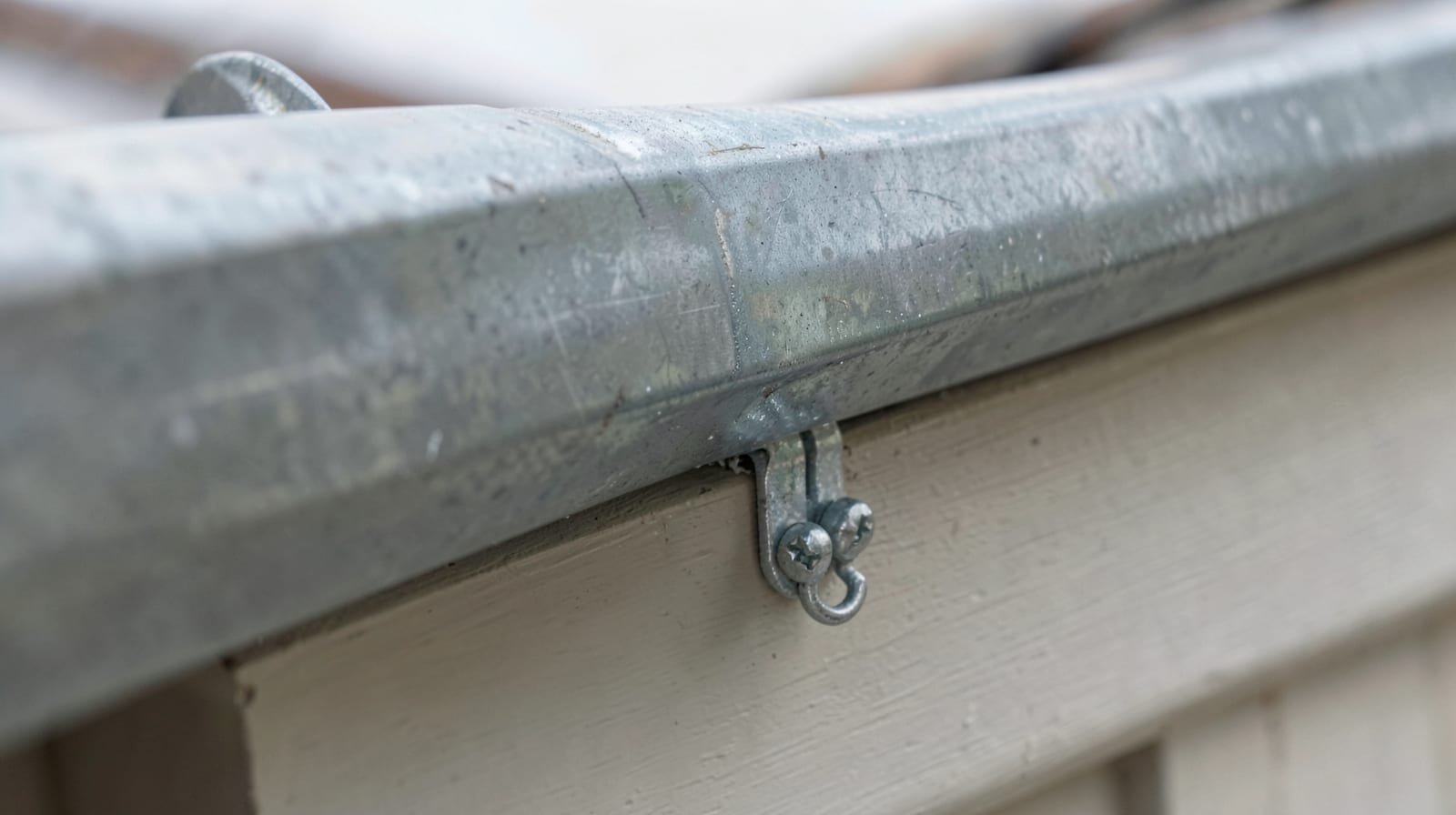
Gutter Repair in Lake Oswego, OR
Gutter repair in Lake Oswego, OR for sagging sections, loose fasteners, seam leaks, and gutters pulling away from the fascia.
Learn More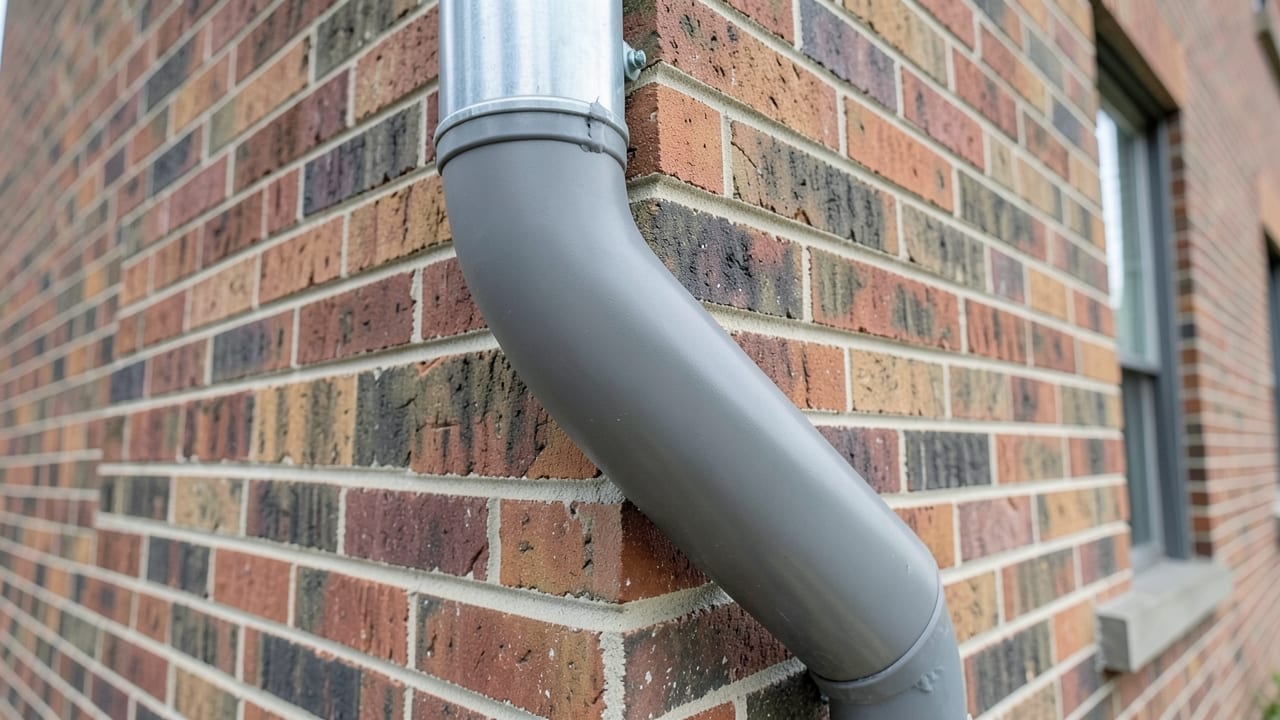
Downspout Cleaning & Repair in Lake Oswego, OR
Downspout cleaning and repair in Lake Oswego, OR clears internal clogs and fixes disconnected or misdirected downspouts that dump water at the foundation.
Learn More
Gutter Resealing & Resloping in Lake Oswego, OR
Gutter resealing and resloping in Lake Oswego, OR fixes leaking seams and standing water caused by a gutter that has lost its pitch toward the downspout.
Learn More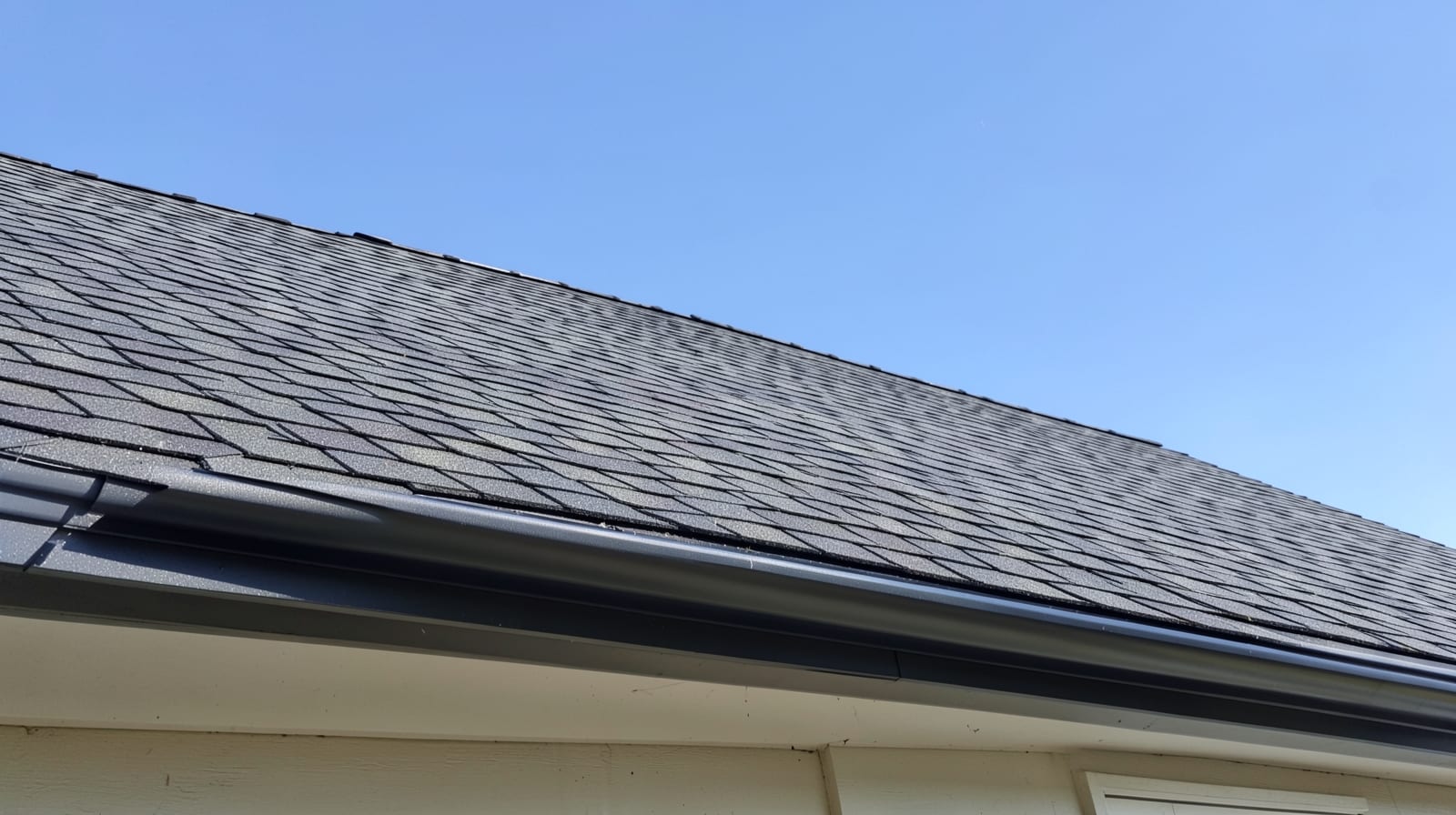
Roof & Gutter Inspection in Lake Oswego, OR
Roof and gutter inspection in Lake Oswego, OR checks drainage, fastener condition, and roof-edge flashing before small issues become water damage.
Learn MoreCommon Questions About Gutter Cleaning in Lake Oswego
Everything you need to know about gutter cleaning services in Lake Oswego
How much does Garage Gutter Debris Clearance typically cost in Lake Oswego, OR?
How does tree cover around Lake Oswego, OR change gutter maintenance needs?
Do gutter guards eliminate the need for cleaning?
What are the signs that gutters actually need attention?
What actually happens if gutter cleaning gets skipped for a season?
Is cleaning gutters a reasonable DIY project?
Need Gutter Cleaning in Lake Oswego?
Get a written quote from our Lake Oswego crew.
⏰ We answer your call • Serving all of Lake Oswego and surrounding areas